Table of Contents
Ophthalmology overhead is rising faster than many physicians realize. For most practice owners, the problem doesn’t become obvious until margins start shrinking—even when patient volume is strong.
Start lean. Stay lean. Keep the overhead low.
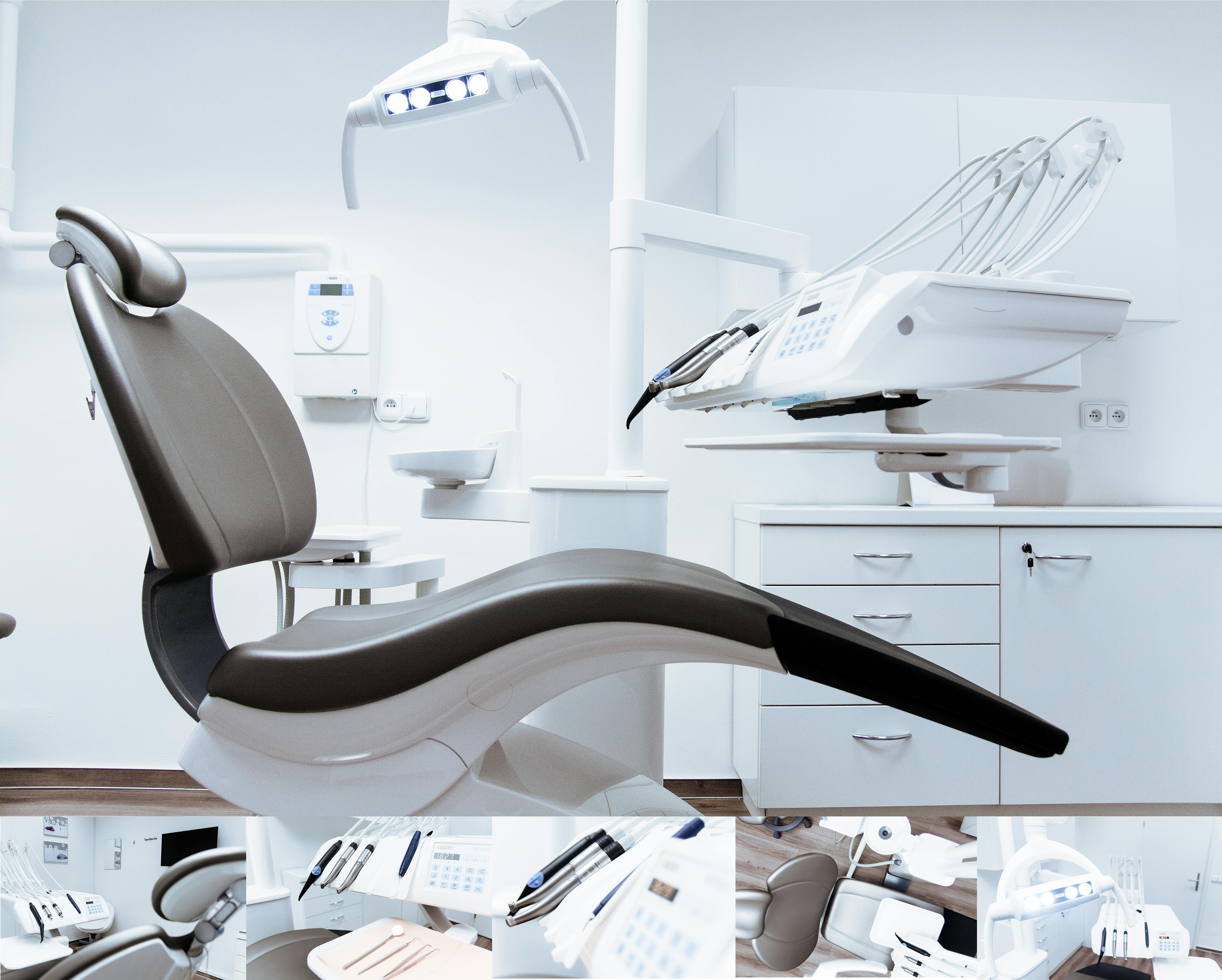
Dentistry offers a useful case study.
Not because dentistry and ophthalmology are the same.
Not because their procedures are interchangeable.
But because dentistry was forced to confront overhead discipline earlier—and built systems that medicine is only now starting to adopt.
Before trying to grow faster, dentistry learned to stop the bleeding first.
Why Dentistry Became Obsessed With Overhead
There are important differences between dentistry and ophthalmology, and those differences explain why dentists became so overhead-focused.
Dentists perform a high volume of in-office procedures. Crowns, fillings, implants, bridges, and restorations all consume clinical supplies every single day. Every procedure carries a visible cost. When supplies creep, margins collapse immediately.
That reality forced dentistry to track overhead tightly.
Ophthalmology, by contrast, relies more on diagnostics, clinic flow, and surgery performed in external facilities. Supplies still matter, but they’re less obviously tied to each encounter. This can create the illusion that overhead is “mostly fixed.”
Dentistry never had that illusion.
Because their costs hit every time they picked up a handpiece, dentists had to build systems to control overhead—or fail.
Buying Groups Help, but Systems Control Ophthalmology Overhead
Dentistry does use buying groups. National purchasing power lowers unit prices and helps with predictability.
But dentistry learned something quickly:
Cheap pricing does not prevent overspending.
Costco is cheap, too—and it’s still incredibly easy to walk out having spent hundreds more than planned.
The real breakthrough in dentistry wasn’t buying groups.
It was systems with accountability.
High-performing practices stopped focusing on “finding deals” and started enforcing:
- Defined overhead categories
- Hard budgets tied to collections
- Clear rules for who can spend and when
For ophthalmology overhead, the lesson is clear: vendor pricing matters far less than structure.
Accountability Is the Lever That Controls Ophthalmology Overhead
Dentistry doesn’t reduce overhead by telling teams to “be careful.”
They reduce overhead by making overspending structurally difficult.
The model is simple:
- Define overhead categories clearly
- Cap them as a percentage of collections
- Break spending into fixed ordering windows
- Require approval before money leaves the practice
This removes emotion from spending decisions and replaces it with math.
Even if supplies aren’t the largest driver of ophthalmology overhead, the discipline transfers perfectly.
Staffing Is the Largest Component of Ophthalmology Overhead
This is where dentistry and ophthalmology align completely.
For most practices—medical or dental—the largest contributor to overhead is staffing.
Not supplies.
Not equipment.
Not rent.
People.
Dentistry recognized this early and shifted low-value administrative work away from high-cost, on-site staff toward virtual staffing models.
Common tasks moved offsite include:
- Insurance verification
- Claims processing
- Follow-ups
- Back-end administrative work
Virtual staffing dramatically reduces overhead while allowing on-site teams to focus on patient-facing, high-value work.
In ophthalmology—where prior authorizations, referrals, billing follow-ups, and documentation consume enormous staff time—this may be the single highest-ROI overhead reduction available.
This isn’t about replacing staff.
It’s about removing low-value work from high-cost labor.
What Dentistry Does Differently That Impacts Ophthalmology Overhead
Dentistry normalized several practices that medicine still resists, even when they directly reduce overhead.
These are areas where ophthalmology can learn—carefully and compliantly.
Passing Credit Card Fees (When Allowed)
Dentists commonly pass credit card processing fees back to patients. The reasoning is simple: the fee belongs to the payment method, not the practice.
Medicine must be more careful—especially with Medicaid and payer contracts.
But not everything that contributes to ophthalmology overhead is insurance-covered.
For clearly self-pay services, absorbing transaction fees is a choice—not a requirement.
This is already standard outside of healthcare. When I pay for my business license, I pay a credit card fee. Vendors do the same. Healthcare has simply been slow to normalize it.
Self-Pay Upgrades Should Not Inflate Ophthalmology Overhead
Dentistry is very clear about one principle:
Self-pay means self-pay.
If a service is elective, optional, or an upgrade—and not governed by insurance—the practice does not subsidize it.
Ophthalmology increasingly offers self-pay services outside Medicare, including:
- Femto laser upgrades
- Convenience-based options
- Technology-driven enhancements
These services should be priced to cover:
- Direct costs
- Administrative overhead
- Transaction fees
- Risk
Failing to do this quietly inflates ophthalmology overhead over time.
Warranties, Redos, and the Hidden Overhead of “Free”
Dentistry also confronted a cost most practices underestimate: redos.
Redo crowns, redo implants, staff time, chair time, and lab fees add up quickly. Some dental practices implemented warranty programs to price risk instead of absorbing it silently.
Ophthalmology has a near-perfect parallel.
Re-PRK procedures.
LASIK enhancements.
Redo treatments.
Laser click fees.
Opportunity cost.
A repeat LASIK procedure may not look expensive on paper—but once click fees, staffing, room utilization, and lost capacity are considered, it mirrors the dental redo problem exactly.
Dentistry didn’t eliminate redos.
They priced them responsibly.
Cloud EMRs: Easier HIPAA, Greater Overhead Dependence
Ophthalmology deserves credit for early adoption of cloud-based EMRs. Cloud systems simplify:
- HIPAA compliance
- Data redundancy
- IT infrastructure
Many ophthalmology practices, including mine, run on platforms like Modernizing Medicine.
But dentistry learned an important lesson early:
Cloud convenience creates dependence.
When scheduling, billing, documentation, imaging, and compliance all live inside one ecosystem, pricing leverage disappears. Subscription creep becomes easy. Switching costs become enormous.
Dentistry countered this by:
- Auditing add-ons regularly
- Eliminating redundant software
- Refusing to silently absorb new fees
Cloud systems reduce IT headaches.
They do not eliminate the need to manage ophthalmology overhead.
Why Ophthalmology Overhead Matters Now More Than Ever
Dentistry didn’t focus on overhead because margins were bad.
They focused on overhead so margins would stay strong.
Ophthalmology is entering an era of:
- Rising labor costs
- Increasing technology dependence
- Tighter reimbursement
- Expanding self-pay services
In this environment, ophthalmology overhead is no longer a background metric. It’s a competitive advantage.
The lesson from dentistry isn’t to copy everything.
It’s to copy their discipline.
Build systems.
Enforce accountability.
Decide who should pay for what.
Because before chasing growth, the smartest move is often to stop the bleeding first.
And when overhead is controlled, growth finally sticks.