



Solo Practice
is Just the
Beginning

The business framework for physicians who want to build something — on their own terms. More income. More autonomy. More life.

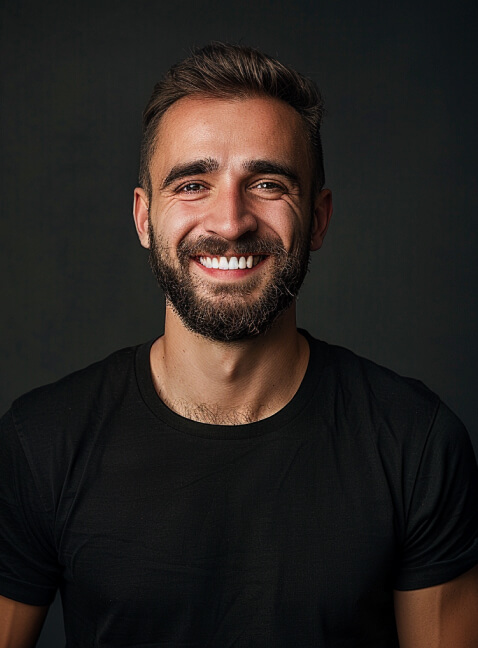
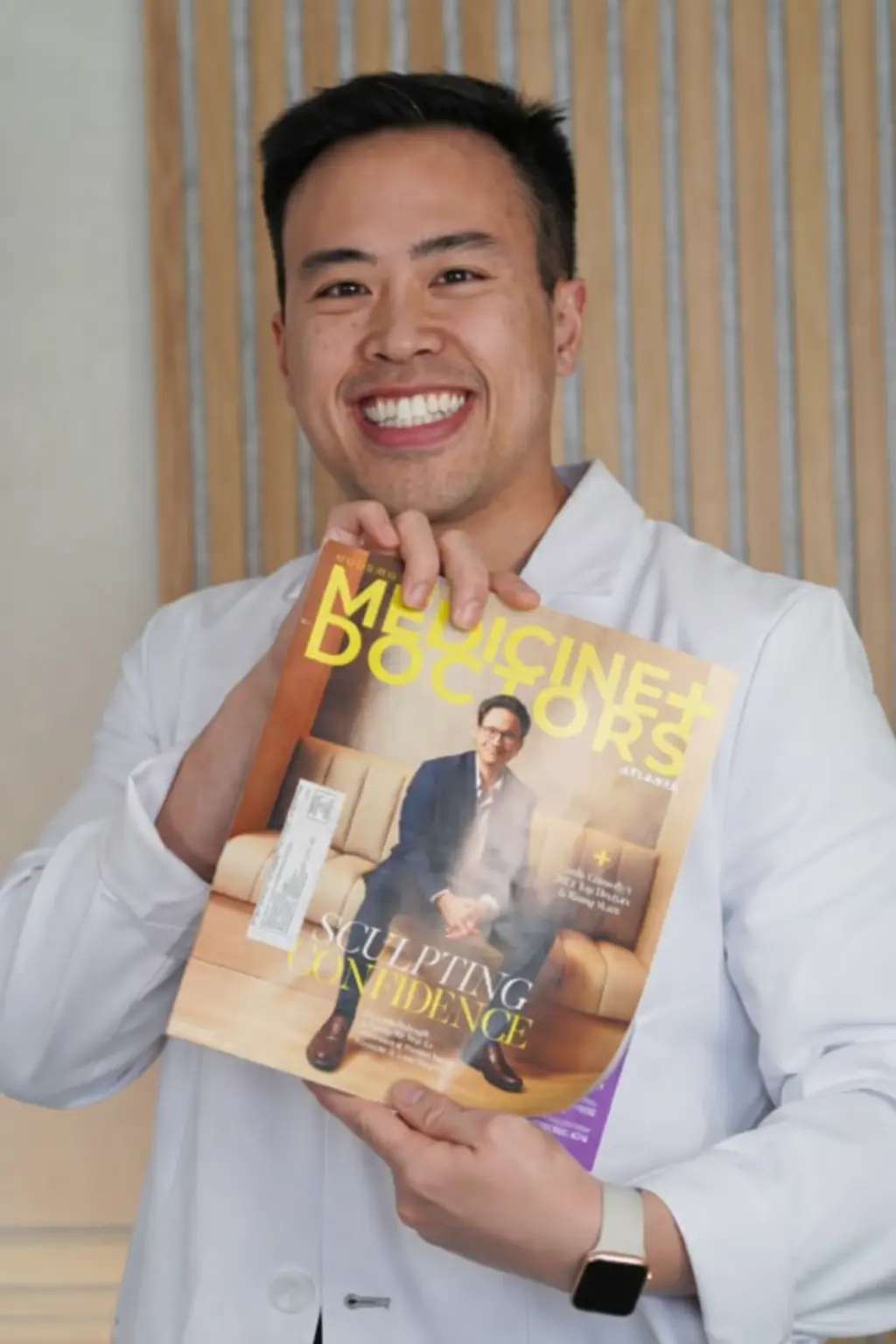
Jeffrey Tran, MD — Ophthalmologist, practice builder, independent voice

Emory University School of Medicine
Cullen Eye Institute, Baylor College of Medicine
Castle Connolly Top Doctor & Top Doctor in Atlanta
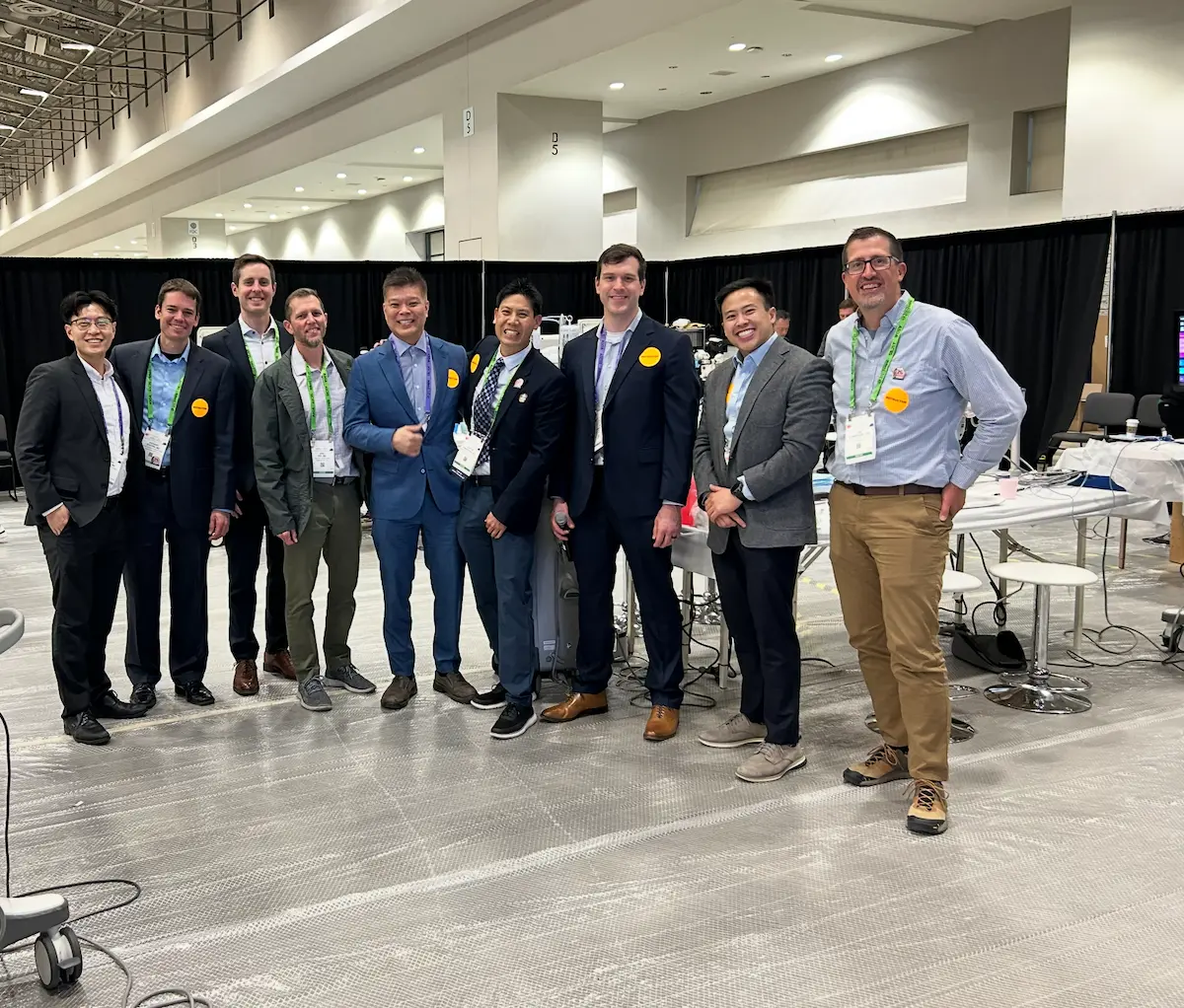
American Academy of Ophthalmology (AAO), Young Ophthalmologist Committee Member
American Society of Cataract and Refractive Surgery (ASCRS), Young Eye Surgeons Committee Member
Georgia Society of Ophthalmology (GSO), CME Committee Member
Key Opinion Leader, National Lecturer
5M+ Views on YouTube, TikTok for patient education
Dr. Jeffrey Tran trained at Emory University School of Medicine and completed his ophthalmology residency at the Cullen Eye Institute at Baylor College of Medicine — one of the top 10 surgical training programs in the nation. A Castle Connolly Top Doctor and national lecturer on advanced surgical techniques, he brings that same standard of care to every patient at Stratus Eye.

Nobody taught you the business side of medicine. That wasn't an accident.

You graduated without a business class.
You trained at the best programs in the country and learned everything about pathophysiology, pharmacology, and surgery. Nobody taught you overhead, case acceptance, scheduling systems, or how to read a P&L. That gap is costing you every single day.
PE groups are counting on your blind spot.
Private equity employs entire teams of analysts, lawyers, and negotiators. Most physicians walk into those conversations alone — without the vocabulary, the framework, or the data to evaluate what's actually being offered. That asymmetry is not an accident.
Independence gives you your life back.
The right practice systems don't just make you more money. They give you time. Independent physicians who build correctly train for Ironmans, are present for their families, and still present on national stages. That's not a fantasy. It's a system.

Build a practice that works for you.

Not the other way around.

Step 1
Optimize one location
Start with one practice. Build the systems, the team, and the operations that make it run correctly. A single well-run practice is enough to change your financial life and give you back your autonomy. Most physicians never get here — not because they aren't smart enough, but because nobody taught them how.
Step 2
Design your life
Dr. Tran drops his daughter off at school every morning. He blocks time to train for an Ironman. He is present for his family in a way that employment never allowed. Solo practice didn't give him that — the systems he built did. The schedule is his because the practice is his.
Step 3
Your work life balance
Want to be busy? Work weekends. Want Friday afternoons free? Build that in. Solo practice is not one model — it is the freedom to craft the model that fits your life. That is something no employer, no hospital, and no PE group can offer you.
THE PREPARATION
The framework your training left out

Four pillars every independent physican needs to understand

The CEO
Mindset

Most physicians run their practice like a clinician. The ones who win run it like a business owner. This means protecting your time, making decisions from data, and working on the practice — not just in it.
Systems architecture

A practice dependent on the physician is a job. A practice built on systems is a business. Document everything, hire to the system, and build operations that run without you in the room.
Metrics & scorecards

You cannot manage what you don't measure. Every independent practice owner needs to know their numbers cold — revenue per visit, overhead percentage, case acceptance rate, and show rate at minimum.
Business principles & EBITDA

PE groups value your practice on EBITDA. Most physicians don't know what that means — and that asymmetry costs them millions. Understanding the financial fundamentals of your own business is not optional.


WHY SOLOPRACTICEDOC

Physicians are powerful. It's time we realize it.

Employed physicians are told what to see, when to see them, and what they're worth. Solo practice is the answer to all three. This platform exists for every physician who is ready to take that back.
Ophthalmology is primed for solo.
No required hospital privileges. No plumbing. The only thing standing between most ophthalmologists and a thriving solo practice is the belief that it's harder than it is.
Learn from our peers in other fields.
Dentists prove independent ownership works every day — with higher startup costs and more complex buildouts than anything ophthalmology requires. It's time physicians learned from that playbook
Good information, freely shared.
The physicians who succeed independently are not smarter than the ones who don't. They had better information at the right time. That gap is what this platform closes.
Starting up is easier than you think.
AI, modern practice management software, and proven startup frameworks have made launching a solo practice more accessible than ever. The barrier is not resources. It is knowledge
Optimizing is the real work.
Getting open is step one. Building a practice with the right systems, the right team, and the right culture — that is where most physicians get stuck. That is where this platform goes deepest.
No secret sauce.
There is no magic formula. The information that makes independent practice work has always existed — it just was never organized or shared in a way physicians could use. That's all this is.

Frequently ask questions
about medical start ups

Is solo practice financially viable in today's market?

Arrow

Yes — but only if you understand the business fundamentals that medical training never covered. A well-run solo practice outperforms employed positions on compensation, autonomy, and long-term equity in most markets. The physicians who struggle financially are almost never struggling clinically. They're struggling operationally.

How do I know if a PE offer is fair?

Arrow

Most physicians don't — and PE groups count on that. Understanding what you're trading away in autonomy, income ceiling, and long-term equity requires business literacy that medical training doesn't provide. That's exactly what this platform is built to give you.

What's the first step to opening an independent practice?

Arrow

Before you sign a lease or buy equipment, build a financial model. Understand your break-even, your billing structure, and your overhead targets. Most physicians skip this and build backwards. Start with the numbers.

Do I need an MBA to run a successful practice?

Arrow

No. You need a framework. The physicians running the most successful independent practices aren't MBAs — they're clinicians who took the business side as seriously as the clinical side and learned the right systems.

Can I go solo straight out of residency or fellowship?

Arrow

Yes — and in many ways it's easier early. Lower lifestyle overhead, more flexibility, no golden handcuffs to walk away from. Several of the most successful independent ophthalmologists in the country went solo within their first two years of practice.

How do I know if my overhead is too high?

Arrow

Ophthalmology overhead should generally run between 40-55% of collections depending on your model. If you don't know your number, that's the first problem to solve. You cannot manage what you don't measure.

What systems do I actually need to run a practice?

Arrow

At minimum: EMR, scheduling software, phones, and medical equipment. Everything else fluff. However, to build a successful practice, its all about accountability. If you build solid protocols and work flows but no one follows them, you setting yourself up to struggle.

How do I compete against large ophthalmology groups and PE-backed practices?

Arrow

You don't compete on volume. You compete on experience, relationship, and outcomes. Independent practices that win do so because patients feel the difference the moment they walk in — and because the physician has the autonomy to actually deliver that experience.

What does work-life balance actually look like as a solo physician?

Arrow

It looks like whatever you build it to be. Dr. Tran drops his daughter off at school every morning and blocks his schedule to train for an Ironman 70.3. That's not luck — that's a practice built on systems that don't require him to be present every minute. Build the systems first. The balance follows.

How is SoloPracticeDoc different from other practice management resources?

Arrow

Most practice management advice tells you to work harder, see more patients, and optimize for volume. This platform starts from a different premise entirely — that the goal is to build a practice perfectly suited to your life, not someone else's template. The systems that make that possible already exist. Dentistry has proven it. Startups in the DMD space are launching at $600K+ and thriving. There is no need to reinvent the wheel. SoloPracticeDoc exists to show you that solo practice is not just possible — it is one of the most ideal career opportunities available to a physician today. The ceiling is yours. The schedule is yours. The equity is yours.

Why does a PE job seem attractive at first — and why do physicians regret it?

Arrow

The signing bonus is real. The stability feels reassuring. And after years of residency and fellowship, the idea of someone else handling the business side sounds like a relief. But the trade-offs compound quickly. Reimbursements are kept deliberately low because the group profits on the margin between what you generate and what they pay you. Turnover is extremely high — because physicians eventually do the math. And the non-compete clauses are designed to make leaving as painful as possible: 50-mile radii, five-year terms, restrictions that apply to any location nationally. You are not an employee. You are inventory. Solo practice is the alternative — and it is more achievable than PE groups want you to believe.

What does break-even actually look like? Let's do the math

Arrow

Most physicians assume solo practice is financially risky. The math tells a different story.

A solo ophthalmologist with one staff member has roughly the following monthly overhead:
Rent: $3,000
One staff salary + benefits: $4,000
Malpractice: $500
EHR + billing: $500-1000
Supplies + miscellaneous: $500-1000
Total: ~$9,000/month

A diabetic eye exam collects approximately $160 after adjustments.$9,000 ÷ $160 = 57 diabetic eye exams per month to break even.

That is fewer than 3 exams per day.Everything above that is profit. Add a premium cataract case and you've covered a week of overhead in one morning. This is not a risky business model. It is one of the most favorable unit economics in all of medicine — and most physicians never see it because nobody showed them the numbers.

Understanding your break-even is the first act of running a practice like a business owner.

What are patients say

Testimonial Image
"I met Dr. Tran at probably the lowest point of my life. He and his staff made me feel comfortable and understanding of what my issue was. Dr. Tran and his staff are very personable, caring and treat people with the utmost respect. I had laser cataract surgery at Stratus Eye. After everything was said and done, I'm now back to 20/20 vision and I couldn't be happier. I would recommend Dr. Tran to anybody that needed help."
Francine Whittaker
Suwanee, GA
StarStarStarStarStar
Testimonial Image
"I had cataract surgery with multifocal lenses put in both eyes with Dr. Jeffrey Tran at Stratus Eye. The surgery went wonderfully. I no longer have to wear glasses. Dr. Tran made sure that I understood the procedure, the timing, and the costs before the surgery. I'm very pleased with my experience."
Stephen Webb
Suwanee, GA
StarStarStarStarStar
Testimonial Image
"Dr. Tran is, by far, the best ophthalmologist I've ever had. I cannot thank Dr. Tran and his wonderful staff enough for their continued excellence and professionalism. I have recommended Dr. Tran to several friends, and all of them have been very satisfied."
Thor Stensland
Alpharetta, GA
StarStarStarStarStar
Arrow
Arrow
PATIENT EDUCATION

5 million patients educated. MDs are next.

Dr. Tran has spent years making ophthalmology easy to understand. The next chapter is for physicians — the real, unfiltered journey to independent practice. Stay tuned.
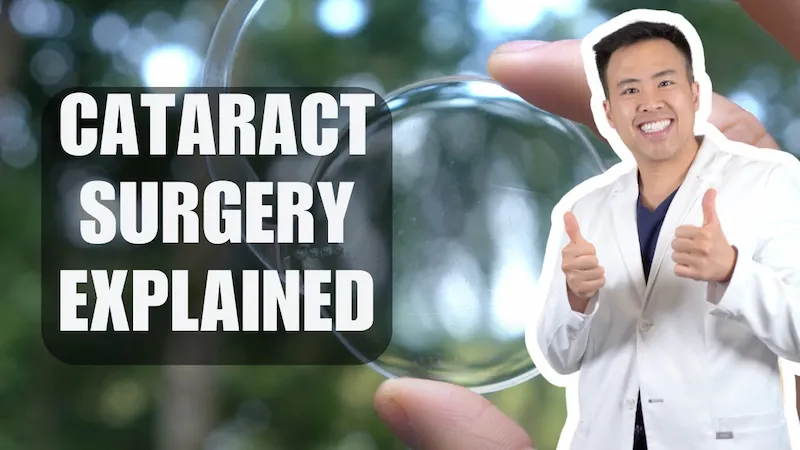
Thinking about cataract surgery?  Start here.
Learn more about what cataracts are, what occurs during cataract surgery, and an in-depth discussion about the risks and benefits.
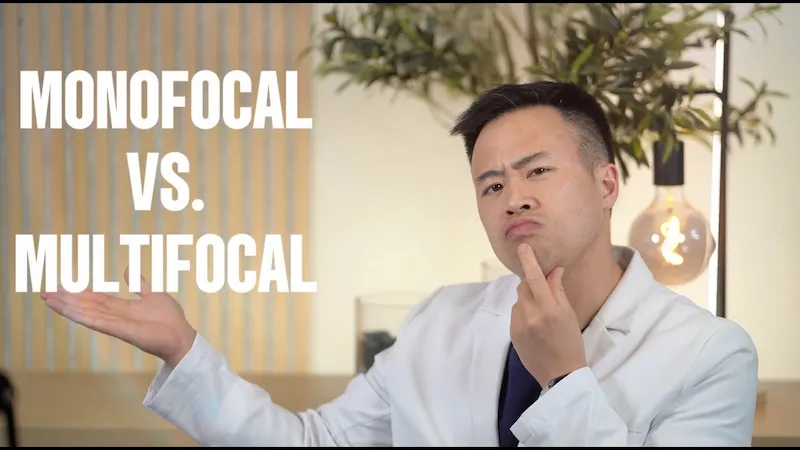
Should you get a monofocal or a multifocal lens? 
Listen to my honest discussion about the pros and cons about the monofocal and multifocal lens.
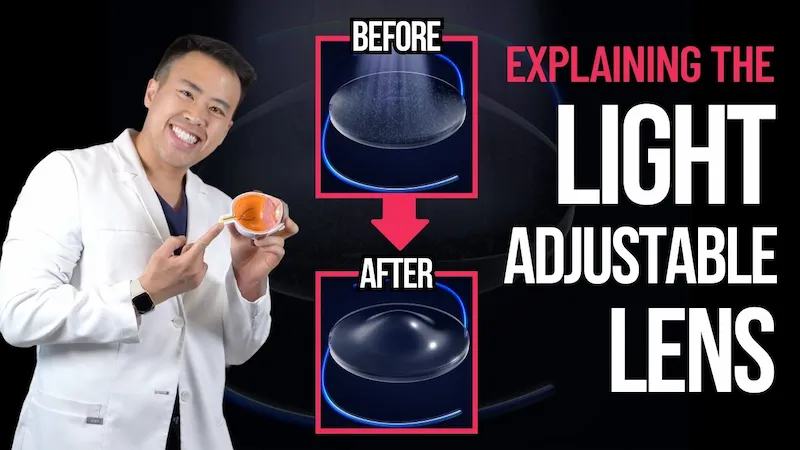
Light Adjustable Lens compared to multifocal for cataract surgery
See how new technology pushes ophthalmology forward. The light adjustable lens is the only customizable lens after surgery
 OUR COMMUNITY

Built on community. Powered by shared knowledge.

SoloPracticeDoc exists because no physician should have to figure this out alone. The independent physicians who succeed do so because they found the right information at the right time — from peers who went first, from specialties that figured it out earlier, and from a community willing to share what actually works. This platform is that community. Join it.


Find your balance

Ready to take back control of your profession?

The newsletter is where it starts. Once a month — one framework, one insight, one idea from the front lines of independent practice. No fluff. No agenda. Just what works, shared openly by a physician building it in real time.